Brampton Hygiene Service Experts
You must have routine sanitation scheduled according to risk factors, food processing capacity, allergen concerns, and regulatory checks, combined with documented records supporting food safety protocols, regulatory audits, and government health requirements. The information below describe critical cleaning system elements.
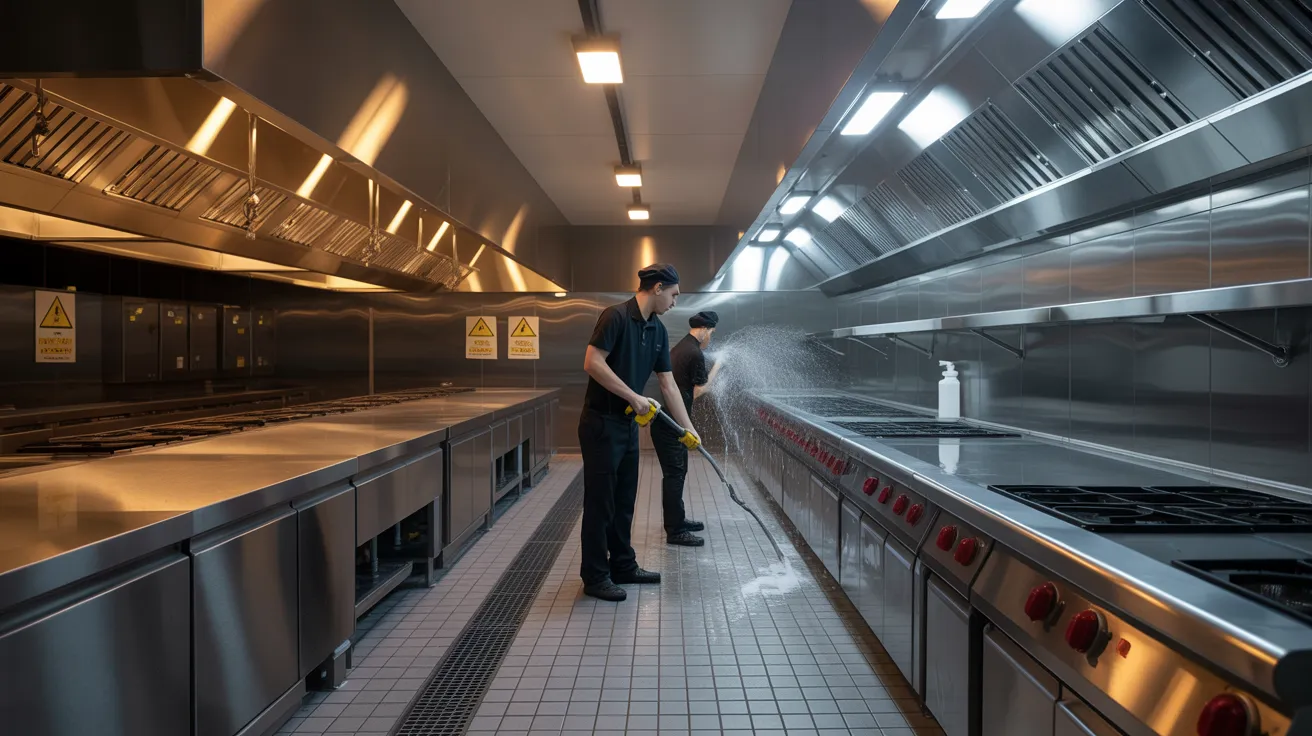
Essential Summary
- Brampton sanitation experts service restaurants, grocery departments, commissaries, warehouses, bakeries, schools, mobile vendors, and allergen-sensitive operations.
- They treat high-touch surfaces, food-contact equipment, kitchens, floors, drains, restrooms, and storage areas using compartmentalized approaches to avoid cross-contamination.
- Approved providers check approved sanitizer dilution, suitability, and contact time, then log completion with swabs, audits, and remedial documentation.
- Effective cleaning timelines account for danger, production volume, transitions, releases, and regulations when assigning everyday, weekly, and cyclical duties by area.
- Select vendors with hazard analysis knowledge, sanitation, expertise, WHMIS, preparation, coverage, credentials, coded tools, and assessment-ready sanitation documentation.
What Brampton Operations Require Food Safety Cleaning?
Brampton operations that process, store, prepare, package, or distribute food require food safety cleaning. Implement it if your facility is falls under health department oversight, food standards, or HACCP systems. The requirement covers food venues, break rooms, supply centers, retail departments, butcheries, seafood areas, stores, and facility food prep.
Documented food sanitation is equally required in storage warehouses, production plants, freezer facilities, bakeries, school nutrition services, reception halls, and meal delivery centers. Portable and seasonal operations apply similarly, examples including catering vehicles, festival sellers, and pop-up stands. Your facility must have recorded sanitation procedures when your workers work with ingredients, section finished dishes, heat items, or keep allergens organized. In Brampton, hygiene stays discretionary; it forms lawful, operational, and customer protection adherence.
Which Areas Do Brampton Cleaning Experts Cover?
You need cleaning experts who sanitize high-touch surfaces, kitchens, floor surfaces, and bathrooms to meet food safety and public health standards. They focus on these spaces because they present the highest risk for contamination spread, slipping risks, and sanitation breaches.
Knowing their service areas allows you to confirm your operation's sanitation satisfies required standards and regulations.
Focusing on High-Touch Surface Sanitizing
organize disinfection frequency based on usage patterns, exposure levels, and facility operations.
testing surfaces to confirm disinfection results
Kitchen Areas, Floor Surfaces, and Bathroom Spaces
Brampton cleaning professionals will handle kitchens, floors, and restrooms since each space presents different hygiene concerns, injury, and community health challenges. In industrial kitchens, you need grease removal from cooking stations, appliance surfaces, drain systems, preparation areas, and backsplashes to reduce bacterial growth and pest activity.
Professional floor upkeep with documentation is also included. is also provided as part of the service.
In restrooms, cleaners disinfect contact surfaces, bathroom hardware, partition walls, accessory dispensers, and receptacles then refill supplies and eliminate odor. They also maintain restaurant cleaning supply rooms where product storage, sink cleanliness, and drain systems impact daily sanitation standards and worker protection.
How Food Safety Cleaning Benefits Brampton Operations
Brampton businesses need to establish food-safe cleaning standards for satisfying health code requirements and passing inspections. You also reduce cross-contamination by cleaning and sanitizing food-contact surfaces, equipment, and high-touch areas correctly. Most importantly, you help protect community wellness by reducing the chance of food poisoning in your establishment.
Food Safety Regulations
Food operations in Brampton face mandatory safety protocols, making food safety cleaning essential to satisfying health code requirements, safeguarding patrons, and preventing enforcement action. You must maintain hygienic food handling zones, recorded sanitation plans, correct sanitizer application, and documented employee protocols that align with municipal and provincial inspection expectations.
Strong cleaning records assist you in establishing due diligence during inspection audits and confirming your operations follow reliable patterns that are discover here reproducible and documented.
Cross-Contamination Management
Maintaining regulatory compliance copyrights on your power to stop cross-contamination during daily food handling and cleaning. You must separate raw ingredients from ready-to-eat foods, sterilize work zones between assignments, and store chemicals away from food-contact items. Clear procedures reduce transfer risks and support consistent compliance during inspections.
You should establish allergen separation to prevent major allergens from touching common work areas, storage bins, or tools. Employ separate boards, labeled implements, and careful equipment identification so employees avoid combining products during preparation or service. Mandate washing hands following uncooked proteins, shellfish, egg items, or allergen products. Replace wiping cloths regularly, and verify sanitizer strength with test strips. When staff members receive training on these procedures every shift, you create a cleaner, safer operation that meets Brampton's food safety expectations daily.
Community Health Protection
When food safety cleaning breaks down, you don't just risk a failed inspection—you heighten the likelihood of foodborne illness impacting customers, staff, and the wider Brampton community. You also undermine your responsibility in protecting public health, especially in high-traffic food premises where pathogens travel quickly through surfaces, equipment, and touchpoints.
You need cleaning protocols that remove contaminants, sanitize effectively, and confirm results. This involves maintaining exposure durations, using authorized sanitizers, logging schedules, and educating staff to satisfy regulatory requirements. These controls promote pathogen control by decreasing microbial counts before contaminating food or hands. Throughout Brampton, effective sanitation protects vulnerable communities, minimizes disease potential, and demonstrates accountability. When you adhere to standards, you go beyond requirements—you lower hazards and facilitate secure food handling region-wide.
Why Is Cleaning Essential for Food Safety Compliance?
Establishing comprehensive cleaning schedules bolsters food safety compliance by reducing contamination risks, preventing pathogen multiplication, and maintaining your facility's adherence to sanitation requirements under HACCP-based programs and public health regulations. You confirm that product-contact areas are visibly clean and microbiologically controlled, backing documented preventive controls and inspection readiness.
Cleaning programs additionally upgrade allergen mitigation by eliminating residues that can trigger undeclared allergen exposure.
Finding When to Plan Commercial Cleaning
gather contaminants. Boost frequency
Facilities [[hosting promotions, catering, or public functions
How Do You Choose Brampton Cleaning Experts?
Begin by evaluating providers based on sanitation compliance standards—not solely on price alone. You should confirm that each organization comprehends CFIA, public health, and HACCP-aligned expectations applicable to your facility. Request proof of insurance, WHMIS compliance, staff training documentation, and oversight procedures. Assess whether technicians recognize cross-contamination risks, chemical handling protocols, and verifiable sanitation records.
You must also evaluate operational reliability and oversight. Seek references from Brampton food companies, then assess response speed, corrective processes, and communication standards. Ensure the company enables supplier checks and can provide inspection-ready documentation when authorities or third parties demand verification. Verify equipment care, color-coded items are deployed correctly, and operational-specific risks are understood. A qualified provider protects compliance, product safety, and your brand reputation.
Which elements are contained in a hygiene cleaning program?
Create a documented strategy that defines every sanitation duty, guideline, and expectation prior to beginning production. You should document cleaning schedules, authorized products, mixing ratios, exposure periods, equipment, and testing procedures for each area, section, and machine. Be sure to include pre-operational inspections, corrective actions, and employee training requirements.
Your program should also cover contamination prevention, garbage management, pest control procedures, and recorded timelines for restrooms, drains, floors, and food-contact areas. Detail how you'll separate raw and ready-to-eat processes, support ingredient tracking, and maintain accurate allergen labeling through validated cleaning between product changes. You should designate accountability, keep signed records, and compare results against regulatory standards, HACCP controls, and customer requirements. When gaps appear, update procedures immediately and retrain staff.
Commonly Requested Questions
Do cleaning services operate during nighttime hours at Brampton properties?
Yes, you can arrange sanitation coverage to accommodate overnight shifts in Brampton facilities. You'll coordinate overnight sanitation around operational schedules, access controls, and staffing requirements. Services generally outline nightshift logistics to reduce disruption, ensure adherence, and record finished work. You should confirm response times, oversight, lockout procedures, and waste handling before service begins.
Do Brampton cleaning experts offer hazard containment solutions?
Yes, you can find Brampton sanitation professionals to provide hazard containment services. They manage hazardous materials, assess risks, isolate affected areas, and start rapid decontamination to minimize risk and business interruption. You should verify arrival timeframes, training certifications, safety procedures, and waste management. If your facility must meet health or food safety regulations, choose a provider that records events, maintains regulatory procedures, and enables compliance verification.
Are eco-friendly disinfectants suitable for food-contact surfaces?
In essence, natural disinfectants function safely for food-handling equipment provided you source items marked food-safe that satisfy regulatory standards. Confirm application timing, dilution ratios, and rinse requirements before use. Natural-based solutions reduce chemical hazards, although you should obtain proof of efficacy against target microorganisms. For maintaining residue-free areas, follow exact manufacturer guidelines and ensure the cleaning agent meets applicable food industry sanitation standards.
Can sanitation programs change with seasonal variations?
Absolutely, cleaning schedules allow customization for seasonal shifts. Modify schedules, staff levels, chemicals, and validation steps to fit seasonal workflows while maintaining compliance standards. Lower production downtime through organizing cleaning during line changes, high demand periods, and usage patterns. Additionally update procedural documents, training, and monitoring protocols to address seasonal hazards, additional allergens, or increased soiling. Periodic assessments keep the schedule efficient.
Are commercial cleaners offering employee instruction on hygiene protocols?
Certainly, professional cleaning experts coach your employees on hygiene protocols. You obtain employee development on proper chemical use, processing times, cross-contamination prevention, equipment disassembly, and documentation procedures. They generally coordinate coaching with HACCP, GMP, and CFIA or regional health bodies requirements. Many execute sanitation audits to verify compliance, identify gaps, and strengthen corrective measures. This helps you copyright standard processes, satisfy audits, and reduce food safety risks daily.
Final Thoughts
When you partner with Brampton commercial cleaning and food safety specialists, you aren't merely cleaning—you keep your operation inspection-ready and your protocols above board. From kitchens to processing floors, every polished surface and maintained area helps reduce unwelcome guests and prevent costly setbacks. By arranging cleanings at the right intervals and following a clear cleaning plan, you protect employees, customers, and your brand image. In a strict regulatory setting, clean spaces aren't optional—they're fundamental to proper operations.